When anger takes over, logic won’t work. Here’s what calms the nervous
system first.
Why it works: Practical, science-backed, and beneficial.
What if your child’s anger isn’t defiance… but distress asking for release?
If punishment worked for emotional overwhelm, your child would already be calm.
Anger that isn’t expressed safely doesn’t disappear—it gets stored in the body.
There are times when children become upset or have intense feeling and
teaching them how to manage their emotions is essential for good health. The
following exercise is intended to help children redirect and release anger, hostility and intense emotions.
Behind every angry outburst is a message most parents
were never taught to hear.
Your Child’s Anger Is a Signal—Here’s How to Respond
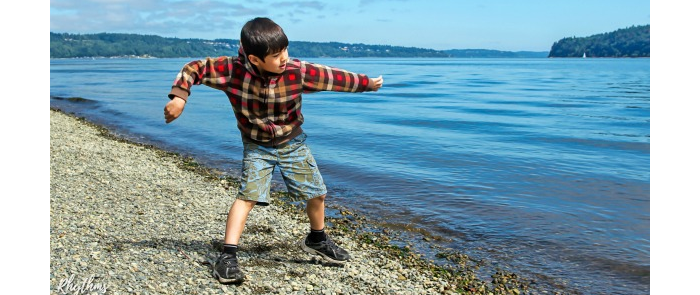
Your child needs your undivided attention and the best place to regain equilibrium is in the natural world around you. So instead of sending him to his room to cool down, “take a field trip or a space trip!” When your child has a lot of space around them, they stop feeling suffocated and can breathe and release. Take a trail that leads to a lake or just go directly down to a woodlands where you can find a water way with your child.
1.Begin by letting the child know that you recognize they are angry or upset and have a special private place where you can take them to figure things out.
2. As you are walking along the trail, instruct your child to find a rock, large enough to fill the palm of his/her hand.
3. Ask the child to hold it mindfully so as to feel the weight, the heaviness, the stone-hardness of their rock.
4. Continue to walk until you come to the water’s edge. Now say: “Give your angry feelings to the rock. The rock is hard and can take all your hard feelings. Imagine you can talk to your rock and tell it the whole story, all of it. You can tell me too, if you want.” (Youngster might describe the problem.)
5. Now go closer to the lake and throw the rock as hard as you can towards the middle of the lake, say aloud: “Take this anger, Rock! My problem is…(An example could go something like: “I’m mad at my mother for getting a divorce. I don’t want to have to sell our house…I don’t want to have to go to a new school and leave my friends…I’m so mad…)
6. Instruct your child to imagine the rock sinking to the bottom of the lake and as it does, tell your youngster to say to himself: “The weight of (my) anger is sinking to the bottom of the lake where it is used to firm up the basin for giving solid ground. In return my thoughts are forgiving- forgiving myself and forgiving you; I am sorry for losing my temper.”
7. Taking your time, look around and find another rock, this one larger than the previous rock. Notice the solidness and smoothness to this rock. Now with a black marker write the word: PEACE on your rock and take it home so you can use it whenever you need to find your peace again.
Find out more about
The Inner ChildLife Approach™
Helping children reconnect with:
• Creativity • Emotional safety • Imagination • Self-expression • Inner calm •Confidence • Emotional resilience
Dan Siegel explains the brain. Jonathan Haidt explains the
stress crisis. Dr. Roxanne helps children rediscover who they
are beneath anxiety. Beautifully supports your child using
nature, expressive arts and mind-body expertise.